Younger pensioners to get £2,932 more from DWP from April | Personal Finance | Finance

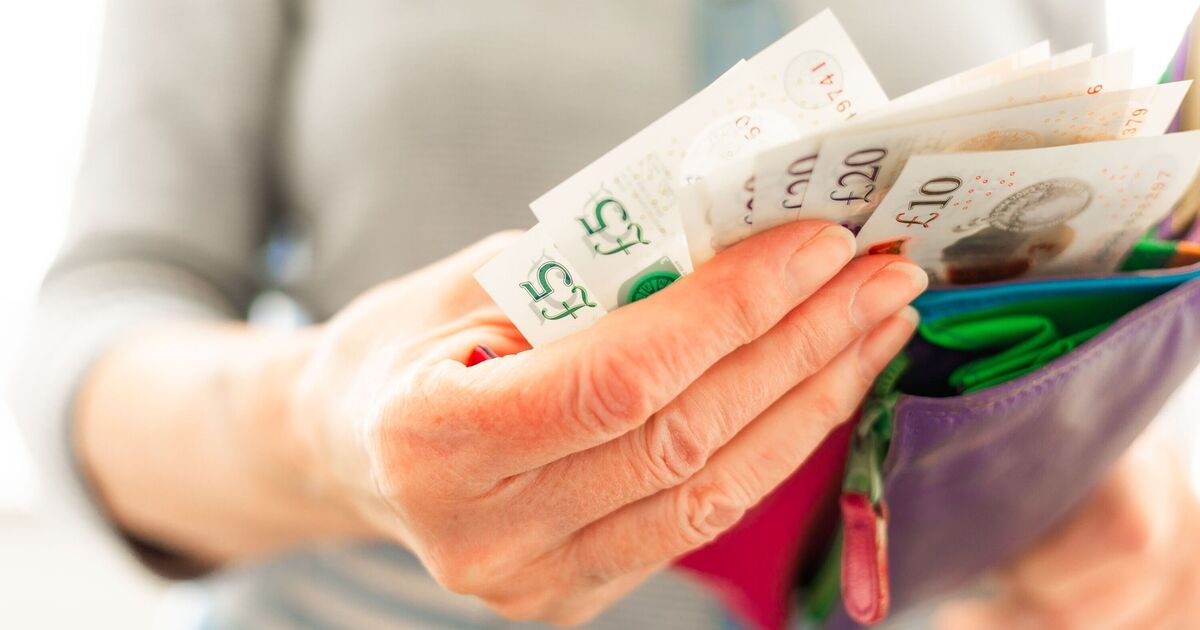
A 4.8% increase to State Pension payments will take effect from April 6 (Image: Getty)
Younger state pensioners across the UK will get up to £2,932 more per year in State Pension payments from April, thanks to the triple lock.
The Department for Work and Pensions (DWP) has confirmed a 4.8% increase to the State Pension in the 2026/27 tax year, giving all pensioners an extra boost of cash. The State Pension increases at the start of each new tax year, and the amount it goes up is determined by whichever is the highest out of three factors – known as the ‘triple lock’. These are the Consumer Price Index (CPI) measure of inflation (measured for September in the previous year), average wage growth between May and July of the previous year, or 2.5%. As average wage growth was the highest of the triple lock factors at 4.8%, above inflation and the 2.5% minimum floor for increases, this is the amount that State Pension rates will increase by from April 6.
But as the UK’s State Pension system is split into two different schemes – basic and new – not all pensioners will be paid at the same rate.
Read More: Older state pensioners can cut TV Licence bill to £0 in 16 minutes
Read More: State pensioners can get 12 freebies and discounts worth £14,139 in March
The 4.8% increase means that younger pensioners on the full new State Pension will get £241.30 per week from April, which amounts to £12,547.60 in pension payments per year.
You can claim the new State Pension when you reach State Pension age if you’re a man born on or after April 6, 1951, or a woman born on or after April 6, 1953. But those who are older and born before these dates get the basic State Pension instead, which is paid at a lower rate.
Pensioners who get the full basic State Pension will get £184.90 per week from April, amounting to a total of £9,614.80 in pension payments per year.
As such, it means that younger pensioners who get the full new State Pension will get £2,932.80 more annually than older retirees on the full basic State Pension.
Work and Pensions minister Sir Stephen Timms told the Commons last month: “Changes will mainly come into effect from 6 April this year and apply for the tax year 2026-27.
“The order maintains the triple lock – which benefits pensioners in receipt of both the basic and new State Pensions – raises the level of the safety net in pension credit beyond the increase in prices, increases the rates of benefit for those in the labour market, and increases the rates of carers benefits and benefits to help with additional costs arising from disability or health impairment.”
*** Ensure our latest personal finance headlines always appear at the top of your Google Search by making us a Preferred Source. Click here to activate or add us as Preferred Source in your Google search settings. ***
According to UK Parliament, an estimated 8.57 million pensioners were claiming the basic State Pension in the 2024/25 tax year, while only 4.38 million were new State Pension claimants.
As the vast majority of pensioners get the basic State Pension, it means around 8.57 million are set to miss out on up to £2,932.80 annually when the new rates take effect from April.
But age isn’t the only factor in determining which State Pension you get, with everyone who is eligible for the basic State Pension having already reached State Pension age, how much money you get also depends on your National Insurance record, so those who don’t have enough qualifying years will be on course to receive even less in the new tax year.