Tesla robotaxis involved in 14 crashes since launching in Austin, Texas, in 2025
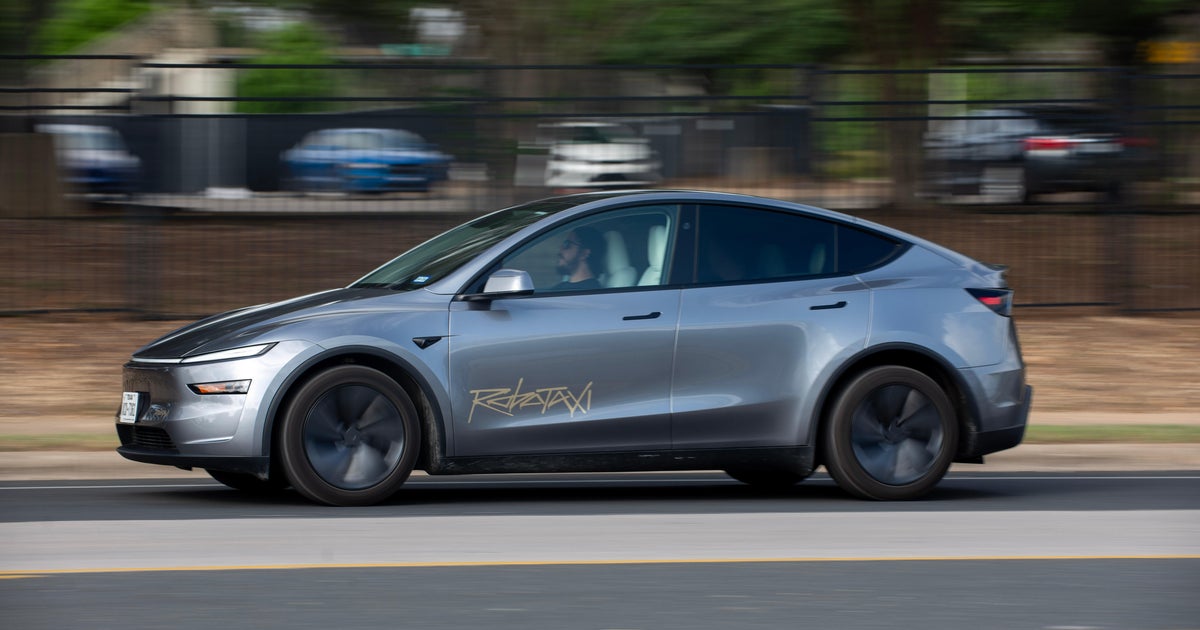
Tesla’s robotaxis have been involved in 14 crashes in Austin, Texas, since the service launched in the city last summer, according to data the electric vehicle automaker disclosed to federal safety regulators.
The five most recent incidents involving Tesla’s self-driving taxis took place in December and January, according to a report posted by the National Highway Traffic Safety Administration (NHTSA). No injuries were reported, although the crashes resulted in some form of property damage in which the robotaxis collided either with another vehicle or a fixed object, the NHTSA data indicates.
Two other incidents that occurred in July and October last year resulted in minor injuries.
Tesla did not immediately respond to a request for comment.
Auto manufacturers like Tesla that produce vehicles equipped with Automated Driving Systems are required to submit crash data to NHTSA. If the agency finds a safety defect, it can take action to remove vehicles from the road.
Tesla launched its robotaxi service in Austin in June of 2025. The rollout started as a pilot, with Tesla inviting a select group of people to ride in a fleet of Model Y Robotaxis. Other people in the Texas city can now hail one of Tesla’s self-driving cars using the company’s Robotaxi app.
Only weeks after the service debuted in Austin, NHTSA said it was investigating several incidents in which the robotaxis were filmed driving erratically, including driving down the wrong side of the road and braking suddenly.
NHTSA, which operates under the Department of Transportation and regulates automobile safety, said it contacted Tesla after videos surfaced showing instances of the company’s self-driving taxi driving down the wrong side of the road and braking erratically.
Tesla has recently signaled its plans to invest more in robotics and its autonomous vehicle business. On the company’s most recent earnings call in January, Tesla CEO Elon Musk said the company is “moving into a future that is based on autonomy.”
Part of that includes the Cybercab, another autonomous vehicle Tesla is developing. Musk said he expects the automaker to eventually manufacture “far more Cybercabs than all of our other vehicles combined.”
According to Wedbush equity analyst Dan Ives, Tesla plans to launch robotaxis in seven U.S. cities in the first half of 2026. The company expects the service to roll out in half of U.S. states by year-end, he said in a recent research note.