Pompeii archaeologists make major Roman emperor discovery | World | News
Pompeii is probably the most famous archaeological site in the world. At the very least, it’s in the upper echelons of places ofhistorical importance, certainly in Europe. When Mount Vesuvius erupted in 79CE, it buried the Roman city, which was in its heyday a thriving trade hub specialising in wine and olive oil – the empire’s fuel. The ancient civilisation could not function without it.
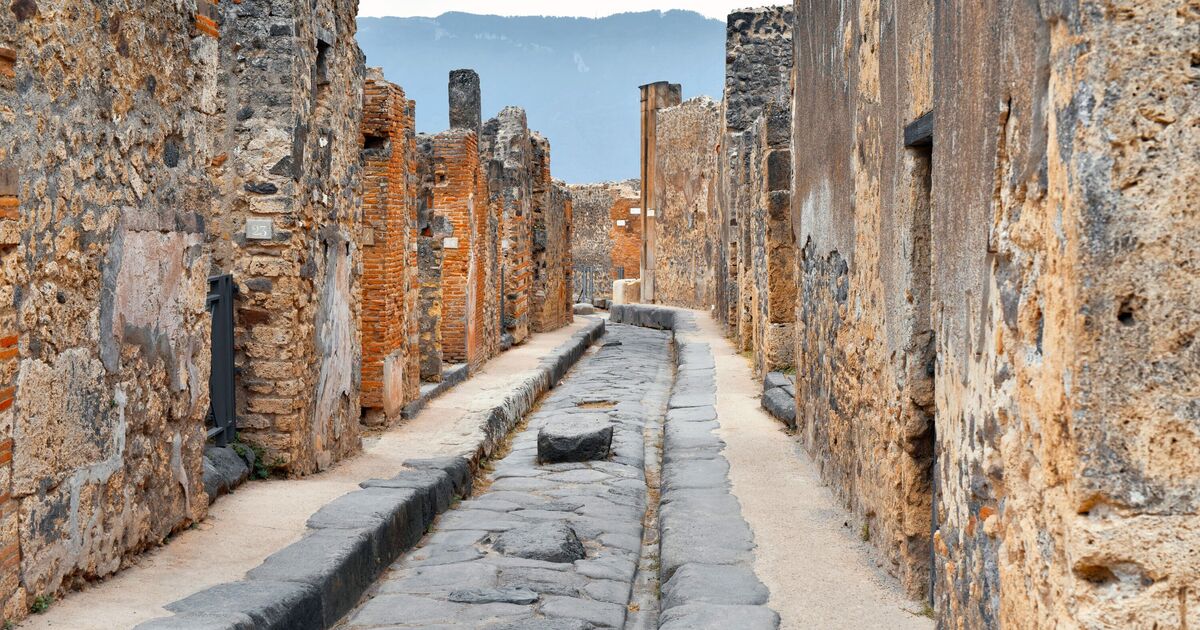
Some of Pompeii’s residents were immortalised in volcanic ash, and poignant casts of their bodies showing their final moments can be viewed by visitors today. Tourists can also walk the same streets and look around the same shops and grand villas inhabited by thousands of people many, many years ago.
New discoveries are being made all the time, as experts reveal new parts of the settlement that have not seen daylight in millennia.
Over the years, specialists have studied the many works of art that adorn the walls of the city’s buildings.
Lately, several important frescoes have been revealed by crucial work at Villa di Poppea, which once functioned as a countryside retreat.
Features of the site suggest that the property may have once belonged to Poppaea Sabina, Emperor Nero’s second wife.
He had his first executed, before wedding his mistress. Rumour has it that the emperor also had Sabina killed.
Painstaking work in the Hall of the Peacock has unveiled the untouched figure of a peacock which mirrors another on the southern portion of the same wall, artnet reports.
Pieces of a mask that experts believe to be connected to the character of Pappus the ancient theatrical comedy «Atellan Farce» have also been found.
He is an old fool who tries to appear younger than he is, and in the end it becomes absurd.
Pappus is also deceived by his wife or daughter in the story.
In addition, four new rooms have been catalogued, and casts have preserved the footprints of trees that once stood in the garden.
They appear to have been placed in an exact aesthetic scheme, reflecting the architectural rhythm of the villa’s southern portico.