Liverpool’s huge £428m bill explained after winning Premier League | Football | Sport

Liverpool signed Alexander Isak and Florian Wirtz for a combined £241million (Image: (Photo by Harry Langer/DeFodi Images/DeFodi via Getty Images))
Liverpool’s 20th league championship and their qualification for the Champions League allowed them to register record-breaking revenues that surged beyond the £700m threshold for the first time. However, it was also revealed that the club have the highest wage bill in the Premier League totalling £428million.
All the important figures emerged in their latest financial results, which were released this morning (Friday, 27 February), and showed the Premier League champions’ total revenue grew by a substantial £89m to reach £703m, representing the highest figure of any Premier League club. Liverpool recorded an after-tax profit of £8m, marking a significant reversal from the previous year’s pre-tax loss of £57m.
A major contributor to the rise has been media revenue, which climbed £60m to £264m, owing partly to the Reds’ qualification for the Champions League, before elimination at the hands of Paris Saint-Germain. Liverpool are understood to have generated just under £84m from their progression to those knockout rounds as they topped the inaugural group stage of the restructured and more profitable European Cup.
The Reds reportedly collected a fraction under £175m for securing the Premier League title, with prize money comprising UK and international broadcast payments, equal shares, commercial revenues and facility fees. As many as 30 of their 38 league fixtures were also televised, which is reflected in the media revenue increase.
Administrative expenses, however, climbed substantially, with the £57m rise taking the total figure to £657m and staff costs also increased by £42m to £428m. It’s understood that staffing expenses have doubled in under a decade and annual increases in utilities at Anfield itself have seen a surge of 107% over the past four seasons.

Liverpool saw matchday revenue rise despite two less games in Jurgen Klopp’s final season (Image: (Photo by Thomas Lohnes/Getty Images))
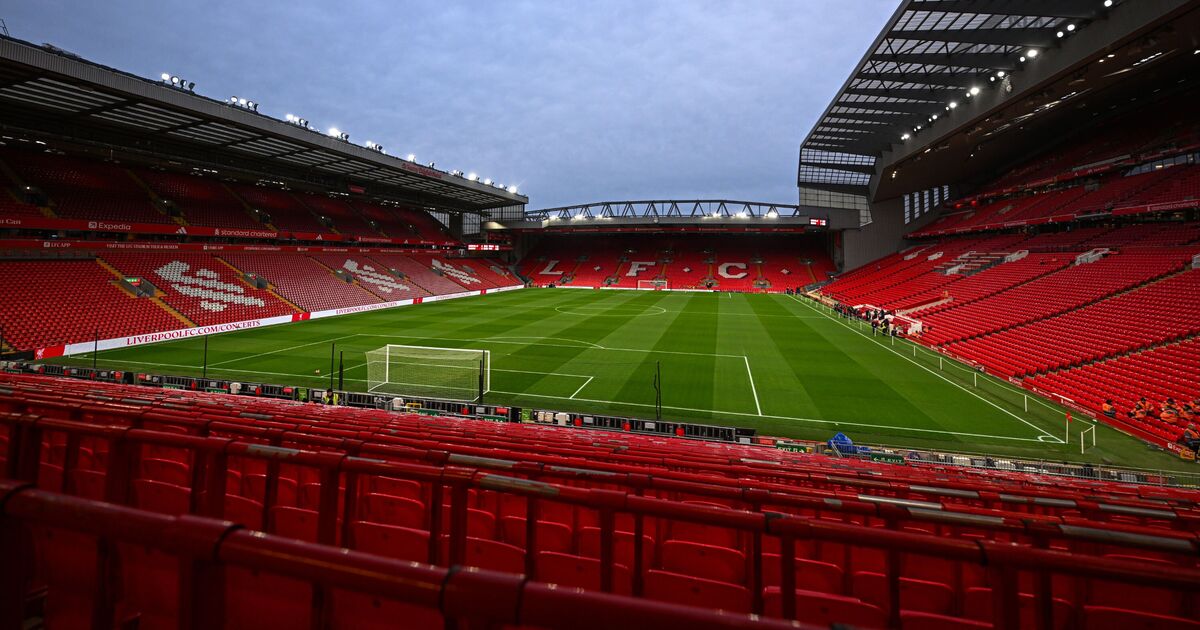
Liverpool contested two fewer fixtures last season than in the final campaign under Jurgen Klopp in 2023/24, yet match-day income still climbed by £14m to £116m. That was predominantly because the reporting period encompassed the first complete season where the new Anfield Road stand was fully operational, enabling the Reds to consistently accommodate crowds surpassing 60,000.
Furthermore, the club’s commercial division recorded a comparable increase, generating £322m in total. The £15m uplift in those figures is attributed to the club’s continued dedication to hosting some of the biggest names in music, with the accounting period including performances from Pink and Taylor Swift, who performed three nights at Anfield last June as part of the successful Eras Tour.
Fresh partnerships with Japan Airlines, Engelbert Strauss, Lucozade, and Swedish garden tools manufacturer Husqvarna all contributed to commercial revenue rising, whilst Liverpool also extended their longstanding agreement with beer supplier Carlsberg, which, after 42 years, represents the longest association of its kind in the Premier League.
The financial year, which extends to May 31, 2025, does not, nevertheless, encompass the club’s decade-long arrangement with kit manufacturers Adidas, which formally commenced on August 1 last year. The deal with the German powerhouse is valued at considerably more than £600m for the club across the coming 10 years and will feature in next year’s accounts.
The overall figures will be regarded as a significant achievement for the Reds, who continue to function under the self-sustainable framework of proprietors Fenway Sports Group. Liverpool FC’s chief financial officer, Jenny Beacham, said: “We make no secret of our desire to run and operate a financially sustainable club, to grow revenue streams, and to do all we can off the pitch to help bring more success on it.
“The 2024/25 season is a great example of how this can work, with record revenues alongside the men’s team winning our 20th league title. The challenge for us is to continue with our growth, through the incredible work that we do in areas such as our partnership portfolio and retail offerings, as well as continuing to diversify our focus to best serve our global fanbase.

Winning the Premier League significantly helped Liverpool’s financials (Image: (Photo by Sebastian Frej/Getty Images))
“The club does face significant cost challenges, including rises in administrative, staffing and operational costs, alongside the need for us to compete at the highest level of the game, across our men and women’s teams. Since this reporting period we have invested significantly to continue to enhance our playing squads, investing in the club’s present and in its future too.”
The figures undoubtedly enabled the Reds’ recruitment team to undertake an unprecedented summer expenditure during the transfer window, breaking their transfer record on two occasions to secure £116m Florian Wirtz from Bayer Leverkusen and Alexander Isak, who became British football’s most expensive player following his £125m move from Newcastle United on September 1.
Liverpool committed approximately £450m last summer towards rebuilding their playing squad and generated roughly half that amount through departures, though £35m of this may remain unrealised given the ongoing uncertainty surrounding Harvey Elliott’s Aston Villa loan arrangement.
The Reds injected £7million into the local economy and assisted over 145,000 individuals through their official charity, the LFC Foundation. Via its Red Neighbours initiative, the Foundation also provided over £500,000 worth of vital food parcels, stadium tours and match-day experiences, whilst facilitating the provision of 1,000 complimentary meals weekly throughout the community.
“We’re also extremely proud of our ongoing and impactful work in communities through LFC Foundation and via our award-winning sustainability programme, The Red Way,” added Reds chief Beacham.
“As always, we’re fully committed to operating in accordance with football’s financial rules and regulations, while continuing our focus on providing the best possible platform for success on and off the pitch for our supporters here in Liverpool and around the world.”