‘I’m a vet and there are five cat breeds that I would never own’

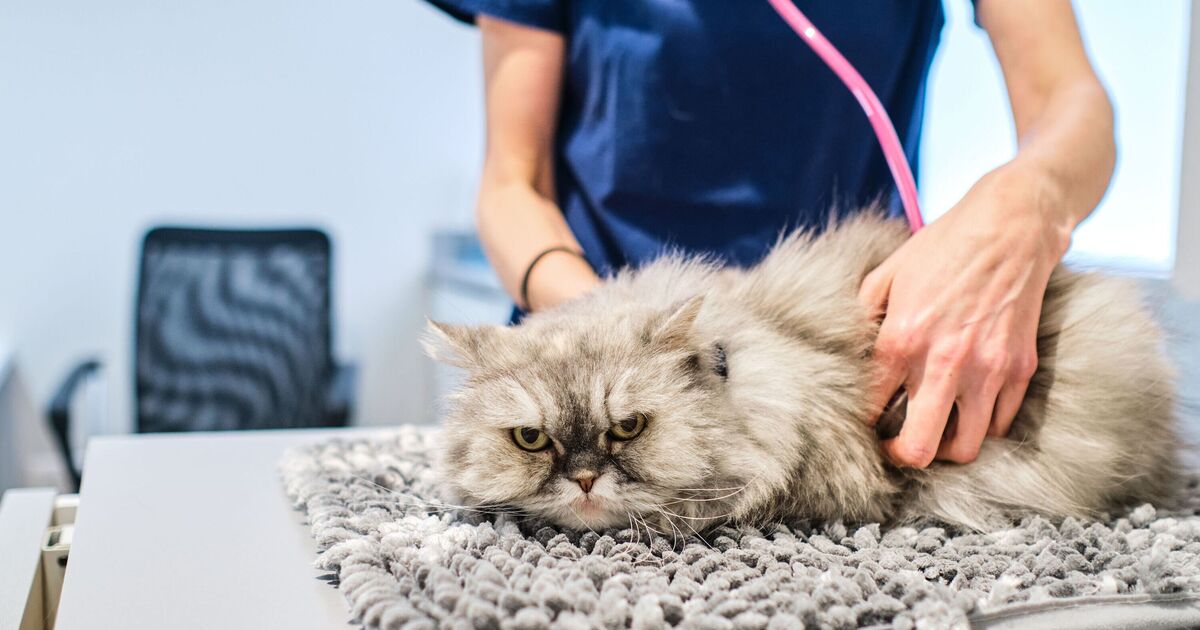
A vet has shared thhe cat breeds they wouldn’t own (stock image) (Image: Getty)
Bringing a cat into your home is a big commitment, requiring careful consideration of how the pet in question would integrate into your lifestyle – including the breeds that would suit your life the best.
While the distinctions between cat breeds may not be as pronounced or widely recognised as those between dog breeds, there remains much to consider when choosing which type of cat would be most compatible with your lifestyle.
Veterinarian Amir Anwary shared his perspective on TikTok by disclosing five breeds he personally wouldn’t choose to own, primarily because of the health complications frequently associated with them.
«These are five cat breeds that I would not own as a veterinarian,» he opened the video.
So which breeds made his list? Have a look at the vet’s assessment below for additional guidance if you’re considering bringing a feline companion into your home.
Read more: 5 ‘best’ cat breeds for first time owners according to vet
Read more: I have 4 cats — 1 breed is so loving but so naughty
1. Persian Cat
«Number one is Persian. Now I’ve never seen the appeal of these cats personally, but a lot of people love them which is perfectly fine,» he remarked before detailing his reasoning for avoiding this particular breed.
He noted that Persians belong to the Brachycephalic category, characterised by their ‘squished in’ facial structure, which frequently leads to respiratory and dental complications, alongside ‘goo’ accumulating in the corners of their eyes. Given their lengthy coat, daily grooming is essential to prevent painful matting from developing.
«So it’s a very very high maintenance breed. They are also prone to a condition called polycystic kidney disease which is basically where these fluid-filled cysts form in the kidneys and in long term that can actually cause organ failure,» he outlined.
2. Bengal cat
«I think this is one of the most beautiful breeds that exists, and I think they have one of the most amazing, amazing energies. But they do have several health issues,» Amir said.
He continued by outlining that Bengal cats are susceptible to numerous health conditions, including cataracts and progressive retinal atrophy, which puts them at risk of blindness in later life, alongside Hypertrophic Cardiomyopathy, a condition causing thickening of the heart muscles.
«That can cause them to become lethargic, it can cause breathing problems, and in the long term will cause congestive heart failure,» Amir explained.
3. Exotic Shorthair
He then moved on to the Exotic Shorthair, commenting: «So this is basically like a different version of a Persian, like it’s a Persian with short hair. So you’re not gonna have the issues with the long coat, but you’re gonna have all the other issues.
«So it is a Brachycephalic breed, you’re gonna have the dental problems, the breathing issues, the eye issues. You’re gonna have the polycystic kidney disease, and you’re gonna potentially have the heart issues as well.»
4. Ragdoll
«Next is a Ragdoll,» Amir announced. «I think all around, this is one of the best cat breeds that would exist if it didn’t have medical issues because it is beautiful. they have such a lovely lovely temperament, but they have so many medical issues.»
Similar to several previously mentioned breeds, Ragdolls are susceptible to polycystic kidney disease and hypertrophic Cardiomyopathy, while also being vulnerable to bladder complications and obesity.
«There are so many medical issues associated with this breed – your vet bill is going to be huge,» Amir said.
5. Scottish Fold.
He subsequently discussed the Scottish Fold, noting: «Now the reason it is called a Scottish Fold is because of the way that the ears fold in. Now this happens because of a lack of cartilage due to a genetic mutation that was caused by us humans.
«But this genetic mutation doesn’t only affect the ears, no no, it affects all the joints.»
Amir outlined how this mutation makes them susceptible to osteochondrodysplasia, which triggers degenerative joint disease alongside arthritis, resulting in painful joints.
He said: «And the worst part about this is that it is a dominant gene, meaning even the cats that don’t necessarily have the fold will be affected by the joint pain, and the joint disease.
«I think from an ethical standpoint this is the cat breed that should not be bred anymore.»