As Trump pushes Iran to make a deal, scores of U.S. warplanes join “armada” heading for the region
The U.S. Navy’s 1,000-foot-long aircraft carrier USS Gerald R. Ford switched on its tracking system for a few hours Wednesday afternoon, revealing its position about 175 miles off the west coast of Morocco on a path for the Strait of Gibraltar and onward into the Mediterranean Sea. The location revealed by the vessel suggested it could arrive in the Eastern Mediterranean days earlier than previously anticipated.
The Ford is the second U.S. aircraft carrier ordered by President Trump to head for the waters around Iran as part of a massive military buildup as he pushes the Islamic Republic to make a deal on its nuclear program. The naval “armada,” as Mr. Trump has called it, is accompanied by a huge surge of U.S. military aircraft to Europe and the Middle East, a CBS News analysis has found.
Top national security officials have told Mr. Trump the U.S. military is ready for potential strikes on Iran as soon as Saturday, but the timeline for any action is likely to extend beyond this weekend, sources familiar with the discussions told CBS News on Wednesday, adding that President Trump had not yet made a final decision about whether to strike Iran.
“Now is the time for Iran to join us on a path that will complete what we’re doing,” Mr. Trump said Thursday at a gathering of his Board of Peace in Washington.
“If they join us, that’ll be great. If they don’t join us, that’ll be great, too. But it’ll be a very different path,” the president said, adding: “If it doesn’t happen, it doesn’t happen. But bad things will happen if it doesn’t.”
Activating the Automatic Identification System (AIS), allowing the Ford to appear on open-source maritime tracking websites was a clear signal that the U.S. military wanted it to be seen — not only by the scores of journalists and hobbyists keeping tabs on naval traffic, but also by Iran.
MarineTraffic.com 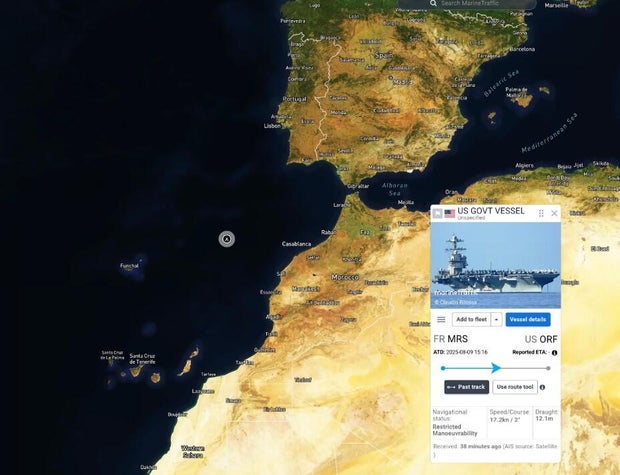
The massive U.S. naval buildup has come amid a less discussed, but equally public mass-movement of American airpower from home bases to Europe and the Middle East.
Over just eight hours on Wednesday, CBS News Confirmed was able to identify more than 50 U.S. Air Force and Navy aircraft flying east from military airfields on both U.S. coasts to the United Kingdom, continental Europe and on to the Middle East, where some then disappeared from radar around the Jordan-Saudi Arabia border.
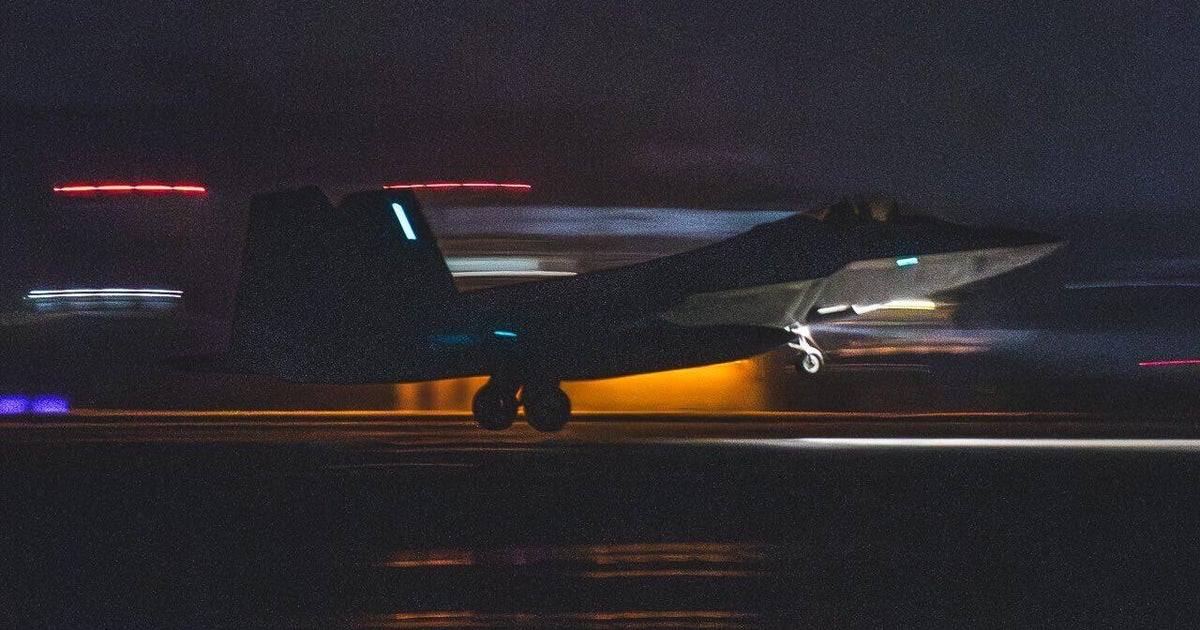
The aircraft seen in transit were mostly refueling, transport and surveillance planes. In addition to the public tracking information, photographs have shown U.S. Air Force F-15, F-22, and F-35 fighter jets landing at U.K. bases and taking off again this week.
The images, captured by civilian plane spotters who upload them to social media, indicate that in addition to the logistics aircraft revealed by tracking data, American strike power has also been moving into the region.
Jack Austin 
The flights tracked by CBS News on Wednesday represented only a fraction of the hundreds of aircraft movements visible in recent days.
While it is not unusual for the U.S. military to reposition equipment and troops around the world, the surge of aircraft, particularly refueling planes, and their arrival at bases in the Azores and Crete ahead of the Ford’s looming arrival, have fueled speculation about a possible U.S. attack on Iran.
The bases in the Azores — Portuguese islands in the mid-Atlantic — and the Greek island of Crete, were both critical during Operation Midnight Hammer, the U.S. strikes against Iran’s nuclear facilities in June, which were carried out in conjunction with Israel’s 12-day war with Iran.
Defense Department 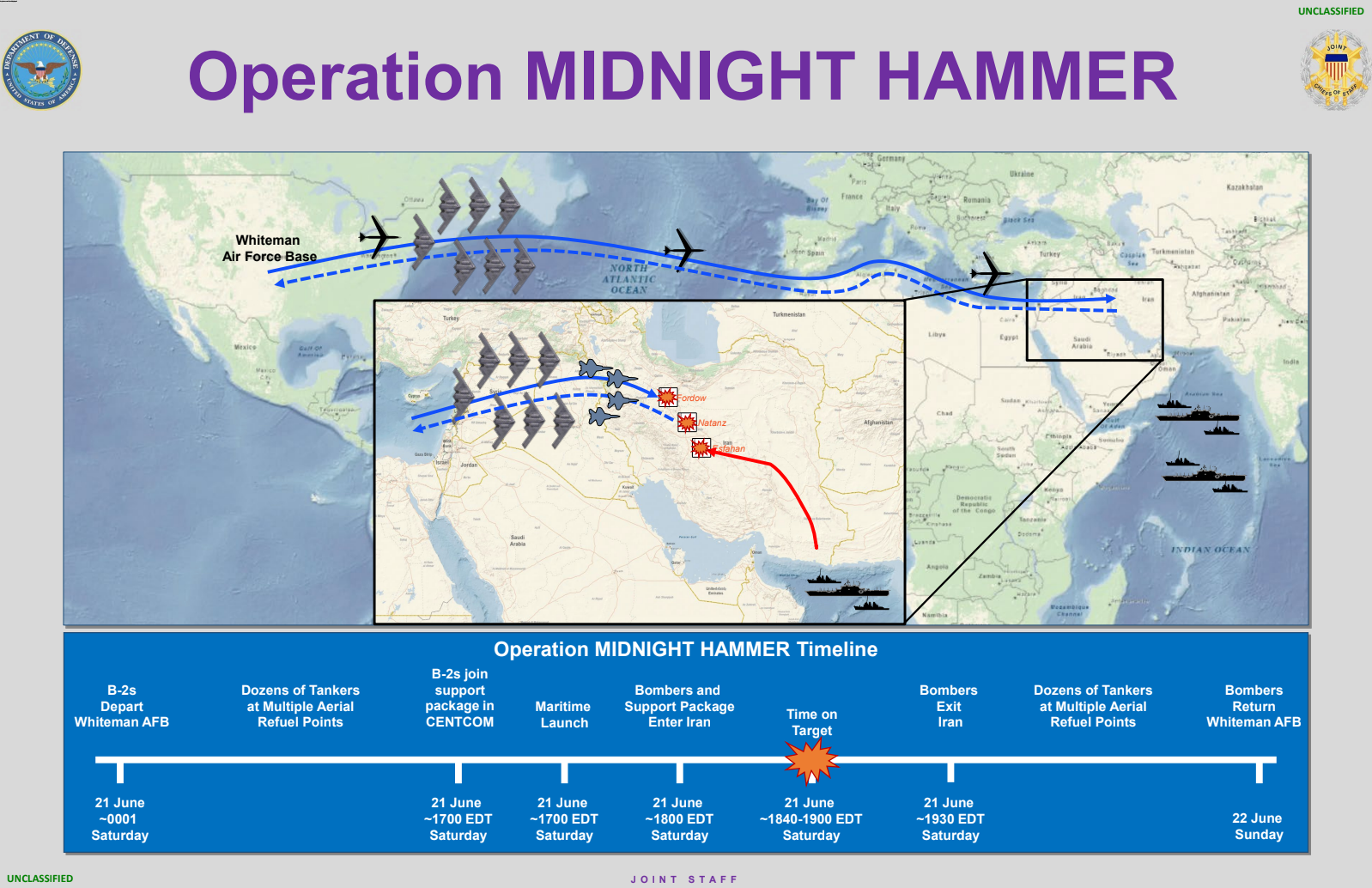
If the Ford sails into the Mediterranean as it appears set to do in the coming days, it will join the USS Abraham Lincoln carrier strike group, which has been deployed to the Arabian Sea since January, within striking distance of Iran. The Lincoln was most recently seen in public satellite imagery on Feb. 15, about 200 miles off the coast of Oman.
Both U.S. aircraft carriers are the flagship vessels of their strike groups, which include other warships and dozens of fighter jets and combat helicopters. While the Ford — the largest aircraft carrier in the world — appears to have pulled ahead of its strike group after departing from the Caribbean last week, the full Lincoln strike group has been in the Middle East for weeks.
There are also already guided-missile destroyers deployed independent of the carrier strike groups, including the USS Roosevelt and USS Bulkeley in the Mediterranean, the USS Delbert D Black in the Red Sea, and the USS Mitscher in the Persian Gulf.