Why energy bills aren’t going down £150 in April despite Rachel Reeves | Personal Finance | Finance

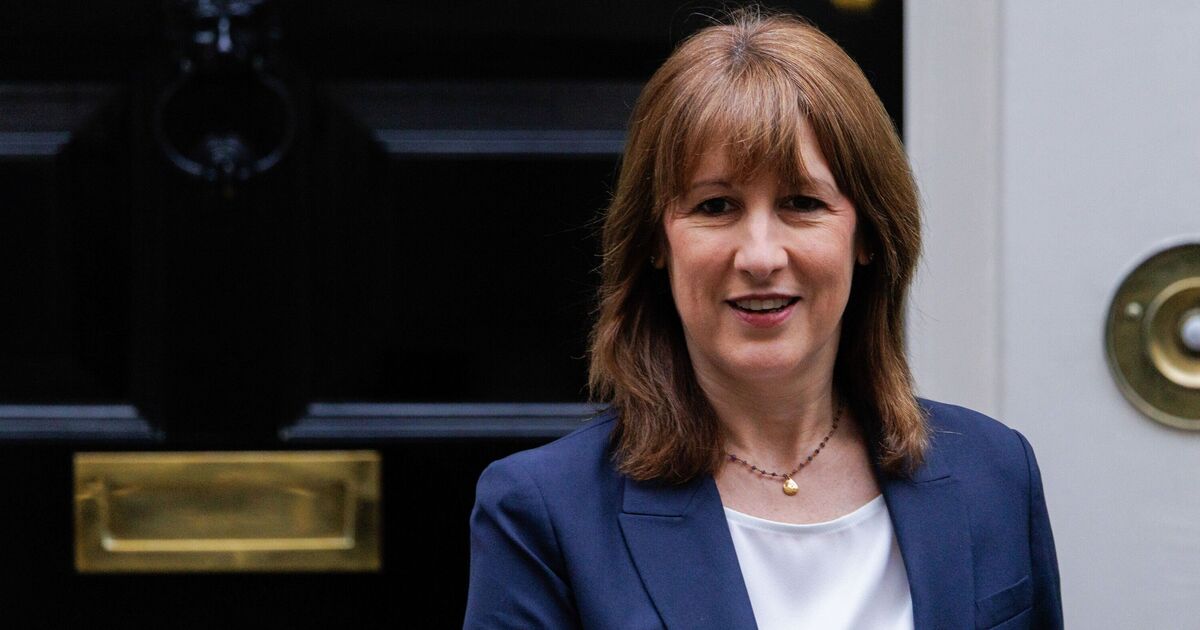
Energy bills have not gone down as far as Rachel Reeves had promised (Image: Getty)
Promises made by Chancellor Rachel Reeves to cut energy bills by £150 this April will fall short of target, it was revealed today by energy regulator Ofgem as it unveiled its latest price cap.
The average cost of gas and electricity will drop by £117 from April 1 for a dual fuel household, still a very welcome change for customers of British Gas, EON, EDF, OVO, Octopus and various energy suppliers up and down Britain. The price cap means households will pay an average of £1,641 per year, down from £1,758 from January to April, following the scrappage of a green energy scheme which had been adding money to bills.
But energy experts have weighed in this morning on why the much vaunted £150 average reduction in bills failed to fully materialise.
Danni Hewson, head of financial analysis at AJ Bell, said: “Households can be forgiven for looking at the complicated figures that make up the UK’s energy price cap and wondering why the savings coming their way in April fall short of what the Chancellor had promised them in November’s Budget.
READ MORE: Tax-free allowance increases to bumper £29,330 with HMRC’s 5 rules
READ MORE: Martin Lewis MSE issues 30 day warning to Sky TV and broadband customers
“Rachel Reeves told people that scrapping a scheme introduced by the previous government and moving some costs onto general taxation would save them £150 a year.
“Wholesale energy costs have also fallen, albeit slightly, and that might have led people to expect even greater savings on their bills from April.
“But the total being saved by households on an average dual fuel bill will be just £117 a year.
“After the unpleasant heights endured over the past few years, saving £10 a month will be welcome, but the rising cost of maintaining and improving the network is worrying.
“This is especially the case as demand for electricity is set to continue rising as data centres, EVs and households switch away from gas heating and alter the UK’s energy requirements.
“There’s also a potentially bitter pill to swallow for those who have cut their energy usage way back, because it’s those who use the most power that will save the most from the changes.
“Some households will get savings of more than £150 a year, in particular people operating medical equipment or with other high electricity usage needs.
“There is good news for households who have already plumped for a fixed rate tariff, as their energy provider will be in touch to explain how the savings from policy changes will be passed onto them.
“And looking back at where things stood last year, the price cap is £200 lower and there are potential savings to be had for those who haven’t yet sought out a fixed rate tariff.
“But look back further and people are having to deal with the reality that the price cap is staying much higher than historic levels, and for people who have racked up high levels of debt the small moves coming in April won’t bring much relief.”
The price most households pay for energy will fall by 7% from April 1, driven by promised Government cuts to bills, Ofgem said.
The regulator’s price cap will drop from the current £1,758 to £1,641 – a reduction of £117 or around £10 a month for the average household using both electricity and gas.
However, the reduction is lower than the average £150 cut to bills pledged by the Chancellor in November, when she moved 75% of the cost of the Renewables Obligation from household bills onto general taxation and scrapped the Energy Company Obligation (Eco) scheme.
Analysts Cornwall Insight said the removal of green subsidies would reduce the cap by about £145 a year once VAT and pricing allowances within Ofgem’s methodology were taken into account.
The decrease has also been offset by rising network costs, which Ofgem said had increased by £66, primarily because of investments in upgrading power and gas grids.
Customers had already been advised that the cut to their bill will also depend on the size and type of household and how much energy it uses, with those who use more likely to see greater reductions.
Tim Jarvis, director general of markets at Ofgem, said: “Today’s announcement will be welcome news for many households.
“Wholesale energy prices have fallen in recent months, and we’re investing in our network to safeguard the future energy system.
“The main driver of today’s reduction is the change to policy costs announced by the Chancellor in the budget.
“Our focus at Ofgem remains on bearing down on the costs within our control, and unlocking the investment needed to support the transition to a more stable energy system over the longer term.
“We’re also seeing encouraging signs of greater engagement and competition, with switching increasing by almost 20% year on year.”

Energy bills are going down by £117 on average (Image: Getty)
The Government has told firms that it expects the savings to be passed on in full to all customers from April 1, including those already signed up to fixed tariffs.
Prime Minister Keir Starmer said: “Energy bills are at the front of everybody’s mind and I know they’ve been too high for too long.
“I promised to bring bills down and I meant it. And today, because of the actions this Government took at the last budget, the price cap on energy bills has come down by £117.
“That means lower energy bills for millions across the country. But I know there is more to do and my Government is pulling every lever to bear down on the cost of living and protect the pound in the pockets of working people.”
Ofgem also confirmed a decision to move the costs of the Government’s separate warm home discount from standing charges – the flat rate households pay each day to have energy supplied to their homes – to the hourly unit rate of gas and electricity.
As a result, standing charges will drop by an average of £13, or 4p a day, for customers using both electricity and gas.
Citizens Advice chief executive Dame Clare Moriarty said: “A fall in energy prices is welcome but for many people bills remain stubbornly high. For millions of households this has stopped being a temporary hardship and become an ongoing threat to their financial stability.
“The divide between those who can and cannot keep their homes warm and safe demands urgent action. Too many people, particularly those with disabilities, families with children, and renters, remain trapped in cold, damp homes they cannot afford to heat.”