
5,000-year-old bacteria from ice cave resistant to modern antibiotics
NEWYou can now listen to Fox News articles!
Scientists have discovered that a bacterium trapped in an ice cave for 5,000 years is resistant to several modern antibiotics.
The bacterium was found in Scarisoara Ice Cave in Romania, where researchers drilled a 25-meter ice core representing about 13,000 years of frozen history.
The research was published in the journal Frontiers in Microbiology.
To prevent contamination, the ice samples were carefully stored and transported to the lab while still frozen. From the ice, scientists isolated a strain of bacteria called Psychrobacter SC65A.3.

Inside the cave seen here, scientists uncovered bacteria preserved for thousands of years that can resist modern treatments. (iStock)
Although it is thousands of years old, the strain was found to resist 10 antibiotics that are commonly used today to treat serious infections.
These include medications such as rifampicin, vancomycin and ciprofloxacin, the study found.
CLICK HERE TO SIGN UP FOR OUR LIFESTYLE NEWSLETTER
“The 10 antibiotics we found resistance to are widely used in oral and injectable therapies used to treat a range of serious bacterial infections in clinical practice,” said Cristina Purcarea, senior scientist at the Institute of Biology Bucharest of the Romanian Academy, in a press release.
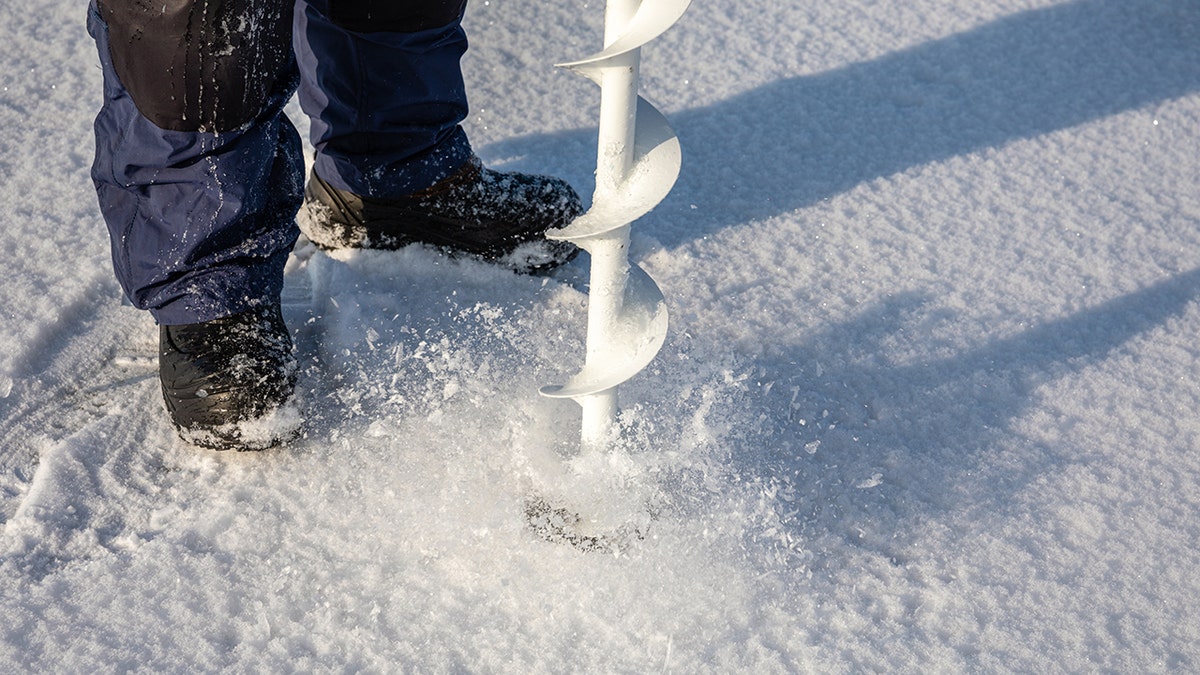
The organism was uncovered in a Romanian cave during the drilling of a 25-meter ice core. (iStock)
Researchers tested the ancient strain against 28 antibiotics from 10 drug classes and identified more than 100 genes linked to antibiotic resistance.
TEST YOURSELF WITH OUR LATEST LIFESTYLE QUIZ
“Studying microbes such as Psychrobacter SC65A.3 retrieved from millennia-old ice cave deposits reveals how antibiotic resistance evolved naturally in the environment, long before modern antibiotics were ever used,” Purcarea said.
CLICK HERE FOR MORE LIFESTYLE STORIES
The findings suggest that antibiotic resistance existed in nature long before the development of modern medicines, according to the researchers.

In testing the ancient strain with 28 antibiotics in 10 drug families, the scientists (not pictured) detected over 100 genes connected to antibiotic resistance. (iStock)
The strain also showed resistance to medications including trimethoprim, clindamycin and metronidazole, which are used to treat infections of the lungs, urinary tract, skin and reproductive system.
Study limitations
The study examined just one bacterial strain from one cave sample, and there is no evidence that the ancient microbe is currently infecting people or spreading, the researchers noted.
Experts also pointed out that Psychrobacter is an environmental bacterium that doesn’t have clinical antibiotic “breakpoints,” which are clear cut-off numbers that tell doctors whether a bacterium is officially “resistant” to an antibiotic.
CLICK HERE TO DOWNLOAD THE FOX NEWS APP
Because this environmental bacterium doesn’t have established clinical testing standards, its lab-measured resistance can’t be interpreted the same way doctors classify dangerous hospital superbugs.
Related Article