Precise date ‘energy bills will be slashed’ with announcement due | Personal Finance | Finance

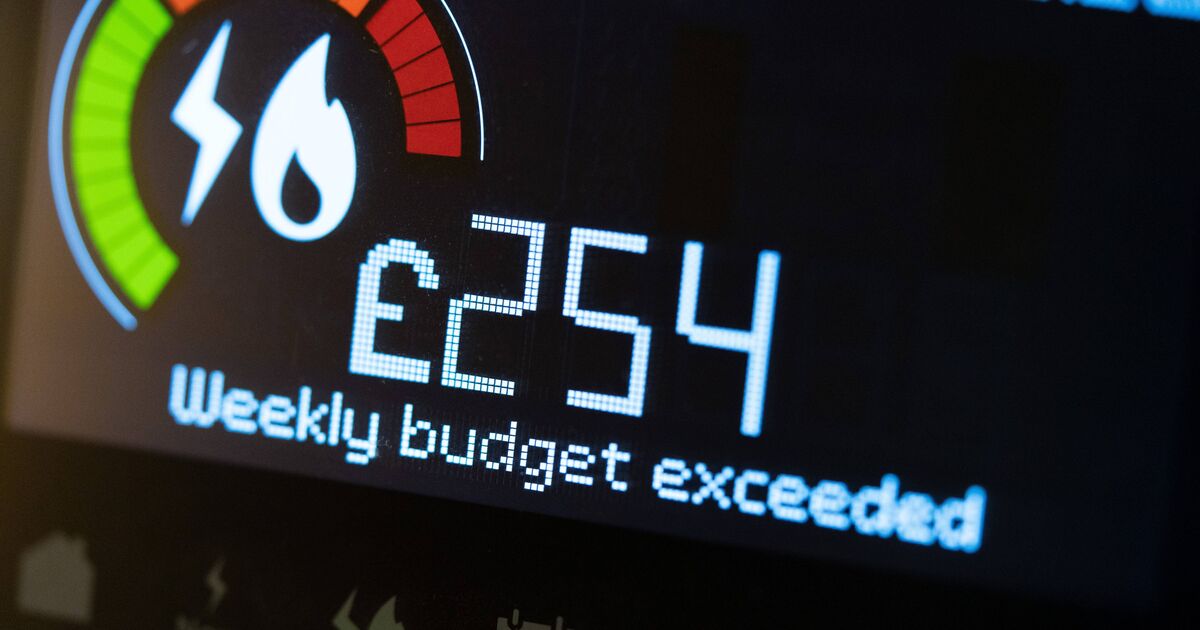
Ofgem is due to make an announcement this week (Image: Webistry via Getty Images)
The latest forecasts indicate Ofgem will cut the energy price cap by £117 to £1,641 annually for a typical dual fuel household from April 1 when it announces its decision on Wednesday. The energy price cap establishes a maximum rate that suppliers can charge customers in England, Scotland and Wales for each unit of gas and electricity they consume.
It also establishes a maximum daily standing charge – the expense of having your property connected to the grid. The headline price cap figure issued by Ofgem shows what a household using gas and electricity, and paying by direct debit, can anticipate paying if their energy usage is typical.
It is crucial to understand that it does not cap a property’s total bills because people still pay for the quantity of energy they consume – so if it exceeds the average they will pay more, and if it falls below they will pay less. Energy is regulated separately in Northern Ireland.
What’s changing with my energy bill this time?
The forthcoming price cap, which will come into force from April 1, will be the first to reflect Chancellor Rachel Reeves‘ pledge last November that £150 would be slashed from the average household bill. She plans to achieve this by transferring 75% of the Renewables Obligation (RO) costs from domestic energy bills to general taxation, and abolishing the Energy Company Obligation (Eco) scheme.

Bills are predicted to fall (Image: Alphotographic via Getty Images)
Read more: ‘Significant cut’ to energy bills expected in major announcement
Read more: Response given with one-week deadline on £20,000 personal tax allowance change
This scheme was introduced by the Tories and funded through bills to combat fuel poverty by improving housing conditions, but it has been plagued with delivery issues. The main impact on customer bills will be a reduction in households’ electricity unit rates, with an anticipated decrease of around 3.37p per kilowatt hour (kWh) from the previous quarter.
Why won’t I see a £150 discount on my bill?
The discount will be implemented via a lower unit rate rather than a lump sum. It’s also important to note that the £150 figure is an average, and the actual amount will vary depending on the size and type of household and their energy consumption.
Furthermore, industry analysts Cornwall Insight have suggested that the changes are likely to reduce the cap by approximately £145 annually once VAT and other pricing allowances are considered. They added that increases in costs related to the operation and maintenance of gas and electricity networks, which are covered by customer bills, have offset some of these savings.
Do I need to do anything to get energy bill cut?
Households must watch out for communications from their energy providers following the announcement of the price reduction, especially regarding the tariffs they’re charged for each unit of gas and electricity. This information will prove crucial for those contemplating switching from the price cap to a more affordable fixed tariff, and those searching for a new fixed deal, as comparing unit prices is essential to securing a worthwhile arrangement.
Is now a good time to switch?
It’s always worthwhile exploring fixed deals, bearing in mind any contractual obligations that might lead to exit charges. As a general rule, Which? advises seeking deals that undercut the price cap (this is where comparing gas and electricity unit rates matters, rather than focusing on headline figures), don’t exceed 12 months and avoid substantial exit fees.
Nevertheless, the End Fuel Poverty Coalition acknowledged that some fixed tariffs will incorporate the announced reductions from February 25, whilst others will not. It cautioned that this could make switching and fixing – which is already bewildering – “even more difficult to gauge”.
It suggested households might prefer to allow the dust to settle on Wednesday’s announcement before committing to a fixed-term contract or switching supplier.
Are energy prices going to keep going down, or should we expect increases in the future?
Cornwall Insight presently anticipates the price cap will stay comparatively stable throughout 2026, with a modest decline projected for July. Nevertheless, it acknowledged these forecasts could alter as wholesale markets fluctuate and possible policy cost announcements emerge.