
Donald Trump strike on Iran looms as experts fear fuel price hell could cripple Britain | World | News
British motorists have been told to brace for soaring fuel prices and an inflationary surge if US President Donald Trump launches strikes on Iran. Brent crude topped $71 a barrel this week – the peak since July 2025 – after Iran blocked the Strait of Hormuz, a vital artery for 20% of global oil.
Experts fear a US attack could rocket prices towards $110, slamming the brakes on the UK’s recent dip in petrol costs and threatening the fragile 3% inflation rate. Mr Trump, pushing for a nuclear deal, has dispatched a second aircraft carrier to the region amid reports he has weighed attack options with advisers.
US media suggests a strike could hit as early as Saturday, though one analyst predicts it will wait until after the Winter Olympics closing ceremony on Sunday to avoid upstaging the Milan games.
Last summer, American forces bombed three Iranian nuclear sites during a 12-day war sparked by Israel. Now, with diplomacy teetering in Swiss talks, Mideast nations brace for potential regional chaos if negotiations collapse.
Tony Redondo, founder of Newquay-based Cosmos Currency Exchange, warned: “Brent crude oil prices have already surged past $71 a barrel… and a more permanent disruption of traffic could push crude prices past $110 per barrel.
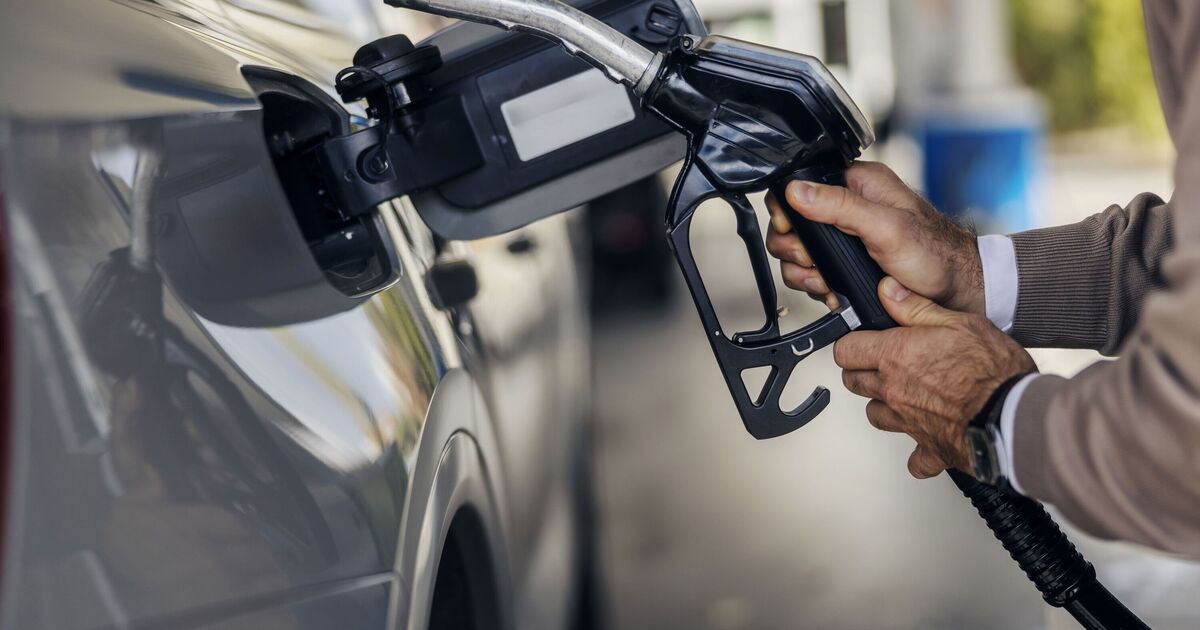
“This would immediately end the recent downtick in UK petrol prices, as retailers pass on costs to motorists. Beyond the pump, an energy price spike would reignite inflation, potentially forcing the Bank of England to maintain high interest rates. The ‘second-round effect’ means higher transport costs for food and goods, slowing global GDP growth.”
Mr Redondo added that while talks offer “slim hope” for de-escalation, the military buildup signals a shift to “maximum pressure” that could “destabilise global markets.”
Riz Malik, director at Southend-on-Sea-based R3 Wealth, said: “Global instability often prompts a flight to safe assets, leading to a short-term sell-off of equities and a move into precious metals like gold, which often see increased demand. A conflict during Ramadan will amplify the political tensions with neighbouring countries.”
Rohit Parmar-Mistry, founder of Burton-on-Trent-based Pattrn Data, branded a strike an “economic wrecking ball”: “The immediate casualty? The desperately-needed downtick in UK petrol prices. Any prolonged campaign in the Gulf will send crude soaring, and that pain hits the pumps instantly. But it doesn’t stop at petrol. Spiking energy costs will ripple through the supply chain, reigniting the inflation that ordinary people are already struggling to survive.”
David Belle, founder and trader at Fink Money, tied timing to the Olympics: “There is an interesting correlation with the Winter Olympics and conflict… I think we will see a strike just after the closing ceremony or in the days following it.”
Mr Trump has ramped up pressure since returning to the White House, moving military assets to the Persian Gulf and threatening strikes over Iran’s crackdown on protesters or mass executions. He has revived nuclear talks, disrupted last year by the June war, but progress is stalled.
Two rounds in Oman and Geneva have yielded no deal. Mr Trump demands zero uranium enrichment; Iran insists on focusing solely on its programme, with President Masoud Pezeshkian claiming: “We are not seeking nuclear weapons… and are ready for any kind of verification.”
Yet the IAEA cannot inspect sites, and Iran enriches to near-weapons-grade 60% – far beyond the 2015 deal’s 3.67% cap, from which Mr Trump withdrew in 2018. Its stockpile exceeds 9,870kg, stoking Western fears.
Tensions trace to the 1979 Islamic Revolution, when Iran ousted the US-backed shah. The embassy hostage crisis, Iran-Iraq war, and “Tanker War” deepened enmity. Mr Trump’s 2025 letter to Supreme Leader Ayatollah Ali Khamenei echoed past outreach to North Korea’s Kim Jong Un, but Mr Khamenei vows retaliation if attacked.
As protests rage in Iran over economic collapse – with thousands killed in crackdowns – a US strike risks broader war, ballooning gold prices and crippling global growth. Britain, fresh from inflation easing to 3% from 3.4%, could face “fuel price hell” that “cripples” households and businesses, experts say.


